Editorial Information
- Tax year:
- 2026
- Reviewed by:
- Okeyma Armstrong, ArmStrong Tax & Consulting
- Last reviewed:
- November 14, 2026
- Jurisdictions:
- United States, Texas
House cleaners who work for themselves sit on one of the most deduction-rich Schedule C filings there is, and most leave half of it unclaimed, usually for one reason: the receipts never got kept. This is the occupation-specific list, what each item needs behind it, and how the numbers land on the return.
The rules underneath are the same as for any sole proprietor: ordinary and necessary business costs are deductible, per Publication 334. What changes for cleaners is which items dominate the year.
The deduction list for house cleaners
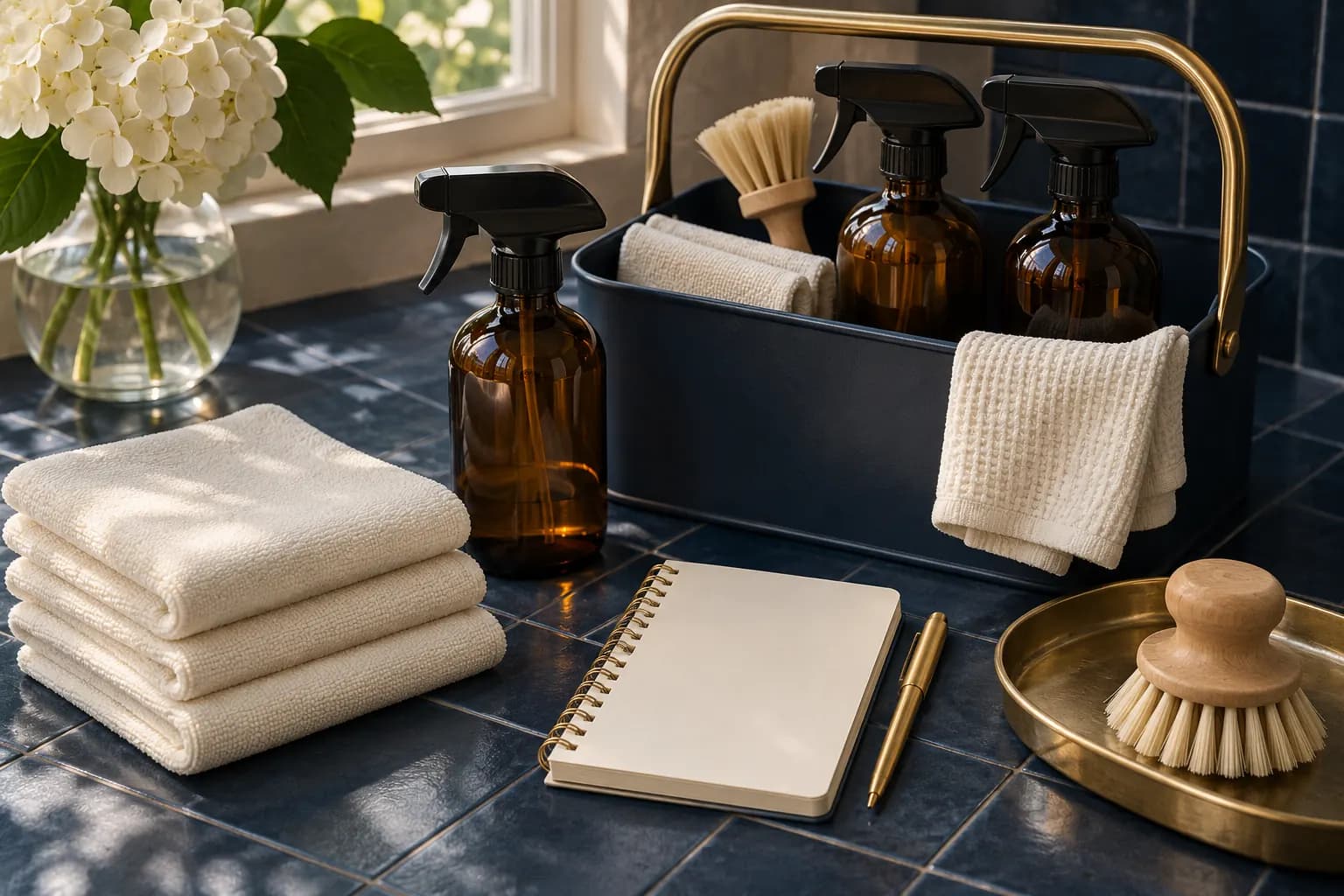
- Cleaning supplies. Products, refills, cloths, sponges, and small tools bought for client work. Replacements count; so does the bulk restock.
- Mileage between clients. Usually the biggest deduction for a solo cleaner, and the one most often lost to missing logs. Detail below.
- Phone. The business-use share of the bill: client scheduling, confirmations, payment apps. Deduct the percentage, not the whole plan, and keep the basis for the percentage you chose.
- Insurance. Liability and bonding policies taken out for the business are Schedule C expenses in the year paid.
- Marketing. Flyers, door hangers, business cards, website costs, listing-service fees, referral rewards to clients.
- Payment processing fees. The cut taken when clients pay through an app or card processor is deductible, even though the payment itself is income.
- Small equipment. Vacuums and carpet cleaners that travel with you, when they are used for the business. Costlier items may be expensed or depreciated depending on cost and useful life.
- Professional dues and education. Association memberships and training that maintains or improves skills you already use.
One caution on the split-use items: the vacuum that cleans your own home on Saturdays, or the phone plan that mostly handles family calls, takes the business percentage only. Publication 535 covers business expenses in full.
Vehicle miles: where cleaners win or lose the most
Two methods, one per vehicle, chosen each year:
- Standard mileage: business miles multiplied by the IRS rate for the year. The standard mileage rates page has the current figure. Most solo cleaners do better here.
- Actual costs: fuel, maintenance, insurance, and depreciation multiplied by the business-use percentage. Wins when the vehicle is expensive to run and business use is heavy.
The commute line matters in this trade. Miles between clients are always business miles. The first trip from home in the morning is business only if a qualifying home office makes your home the principal place of business, which is one reason cleaners with a dedicated office corner come out ahead. Personal commuting miles never qualify under either method.
The log is what makes any of it defensible: date, destination, purpose, and miles, recorded close to the drive. App-based mileage logs qualify; a reconstruction built at filing time is the record that gets challenged. The vehicle rules in depth are in gig worker tax deductions.
The home office
A spare room used exclusively and regularly for scheduling, invoicing, and supplies can support a home office deduction. The simplified method allows $5 per square foot up to 300 square feet, a $1,500 cap, with no expense tracking; the regular method applies the business percentage to actual home expenses. Beyond the deduction itself, the qualifying office is what turns that first morning trip into business mileage.
How it lands on the return
The flow for a cleaner with no employees is short:
- Schedule C: income from clients minus the deductions above equals net profit.
- Schedule SE: self-employment tax at 15.3% on 92.35% of that profit, with half deductible as an income-tax adjustment. The full arithmetic is walked through in how to calculate self-employment tax.
- Form 1040: both taxes together, and likely quarterly estimated payments along the way.
That last line trips up first-year cleaners. Owing $1,000 or more at filing, which a profitable cleaning business usually does, puts you in the quarterly system: pay-as-you-go amounts four times a year or the safe harbor protects you from underpayment penalties. The quarterly estimated taxes guide walks the test and the 2026 due dates.
Records that survive a look-back
For purchases, a receipt plus a word or two on the business purpose, filed when it happens. For miles, the log fields above. Digital photos of receipts count fully. The pattern that holds up is boring and consistent: self-employed tax deductions covers the record system, and the five-step documentation habit takes minutes per purchase.
When the books need a second set of eyes
Cleaning businesses grow fast and the paperwork rarely keeps pace: multiple client payment apps, cash payments, a vehicle log that stops in March. Sorting receipts, reconciling payouts, and building a mileage record from calendar history is bookkeeping work, and it is the work that turns a shoebox into a defensible return. When you want it done with you rather than for you, book a session with Okeyma, or see tax planning services for setting the quarterly amounts.
This article is for general informational purposes and does not constitute tax or legal advice. Consult a qualified professional for your specific situation.Frequently asked questions
- Do house cleaners pay self-employment tax?
- Yes. Net profit from a cleaning business reported on Schedule C carries self-employment tax at 15.3%, calculated on Schedule SE, alongside income tax.
- Can I deduct mileage between clients?
- Business miles between clients count on either the standard mileage or actual-cost method. Whether the first trip of the day from home counts depends on whether your home office qualifies as your principal place of business; otherwise that trip can be commuting, which never qualifies.
- What supplies can a house cleaner deduct?
- Cleaning products and refills, cloths and sponges, and small equipment used for the business are ordinary and necessary Schedule C expenses. Deduct the business share of anything that also serves personal use.
- Do I need an LLC to deduct cleaning business expenses?
- No. Deductions follow the business activity, not the entity. A sole proprietor claims business expenses on Schedule C whether or not an LLC exists.
- What records do I need to keep?
- A receipt plus the business purpose for purchases, and a mileage log with date, destination, purpose, and miles for each business trip, recorded close to when it happens. Contemporaneous records hold up far better than reconstructions.
Ask a general tax question
Use the tax information chat for general educational questions. Discuss your own situation with a professional before relying on an answer.
Book a free 15-minute intro call
Pick a time on Okeyma's calendar. The introductory call is for discussing your needs and learning about our services. Tax and notice reviews are paid services.
Related reading

Gig Worker Tax Deductions (Uber, DoorDash & More)
The deductions rideshare and delivery drivers actually qualify for: mileage, phone, hot bags, fees, plus how 1099-K and 1099-NEC income reporting works in 2026.
· 6 min read

Do You Need to Pay Quarterly Estimated Taxes? (2026)
You owe quarterly estimated taxes if you'll owe $1,000 or more at filing. The two-minute test, the safe harbor rule that protects you from penalties, and the 2026 due dates.
· 6 min read

Self-Employed Tax Deductions: The 2026 List
Every deduction self-employed workers can claim in 2026, with records to keep and the forms each one lands on. Written for solo owners, not corporations.
· 7 min read